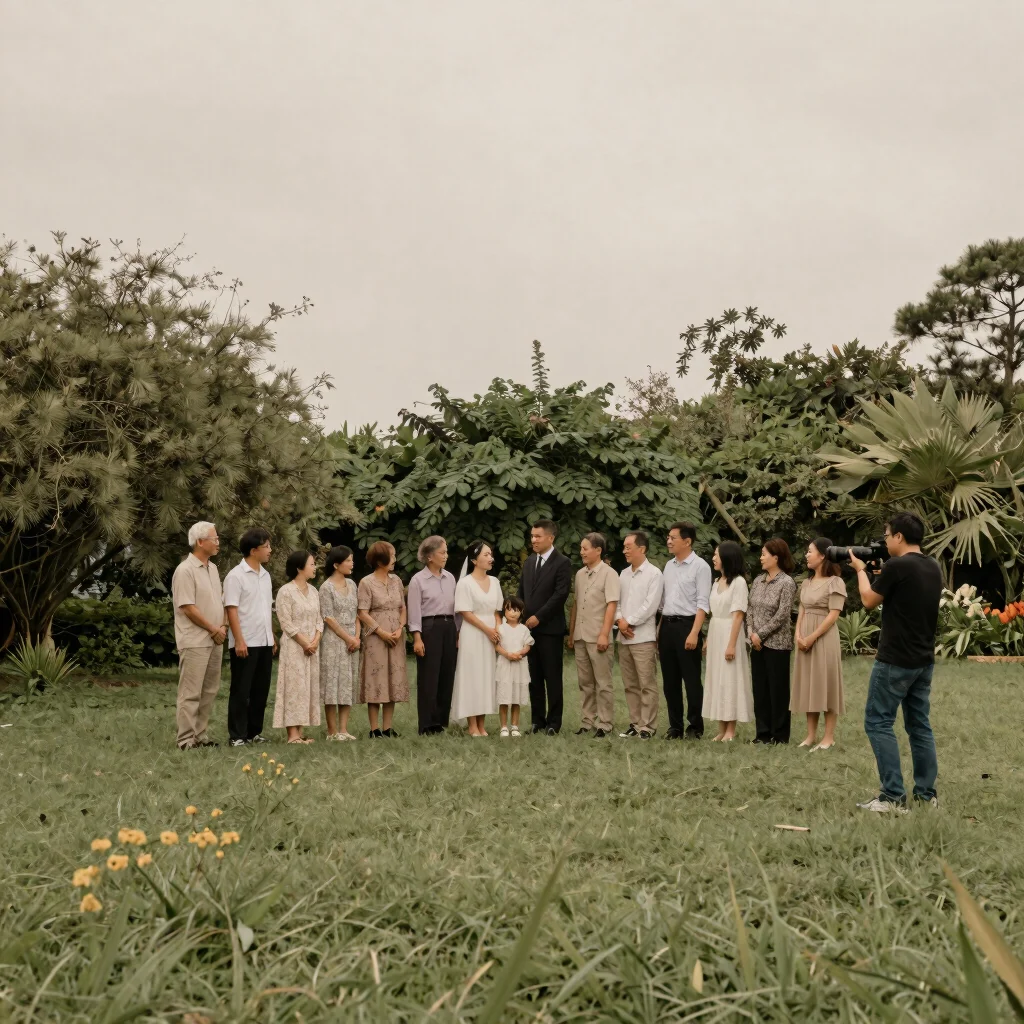
The vows may be the quietest part of a wedding and the part guests most want to hear. Clear ceremony audio does not happen automatically because everyone is close together. It takes a little coordination between the couple, officiant, venue, and the people documenting the day.
Ask what the venue provides
Ask the venue or officiant whether the ceremony space has a microphone and who operates it. A microphone intended for announcements may not be positioned for vows, and an outdoor space may need a different setup from an indoor room. Confirm the plan before the rehearsal or event day, not while guests are taking their seats.
If you are working with a filmmaker, ask how they coordinate with the officiant and any venue sound system. A small microphone worn by the officiant can help capture the ceremony clearly, but the right option depends on the setting and the people involved. Make sure everyone who needs to approve or wear equipment is comfortable with the plan.
Keep the setup unobtrusive
Clothing affects where a microphone can sit, so mention outfits with delicate fabric, open necklines, or no jacket to the person handling audio. The officiant may be a practical person to mic, but confirm that in advance and explain where the equipment will go. Small details like this keep adjustments from interrupting the ceremony.
If you are using a venue sound system, ask whether the microphone can be tested in the actual ceremony space. Listen from the back row as well as near the front, since room acoustics and guest seating change what people hear. A short test is more useful than assuming a system that works for speeches will work for vows.
Rehearse the quiet moments
At the rehearsal, check where the couple and officiant will stand and whether they will face one another or the guests during the vows. A gentle reminder to speak toward the microphone can help without asking anyone to project unnaturally. Keep the music low enough that it does not compete with spoken words.
Before the day, choose one person who can answer practical sound questions and make sure the officiant, venue, and documentation team have the same plan. The goal is simple: guests should be able to follow the words without noticing the equipment. Clear sound lets attention stay where it belongs.