A ceremony ends, guests congratulate the couple, and suddenly the next part of the day is already waiting. The useful question when planning a timeline is not only how long each event takes, but what has to happen between them.
Give transitions their own time
Walk through the day in order and note each change of place or activity: getting dressed, moving guests to the ceremony, gathering family for portraits, and traveling to the reception. Add time for people to find coats, use the restroom, or ask where they should go. A schedule that accounts for those ordinary pauses is more likely to hold up than one built from back-to-back start times.
If the ceremony and reception are at different locations, check the route at the time of day you expect to travel. Share a clear arrival time with guests rather than assuming everyone will infer it from the invitation. One specific instruction can prevent a lot of last-minute confusion.
Protect the moments between
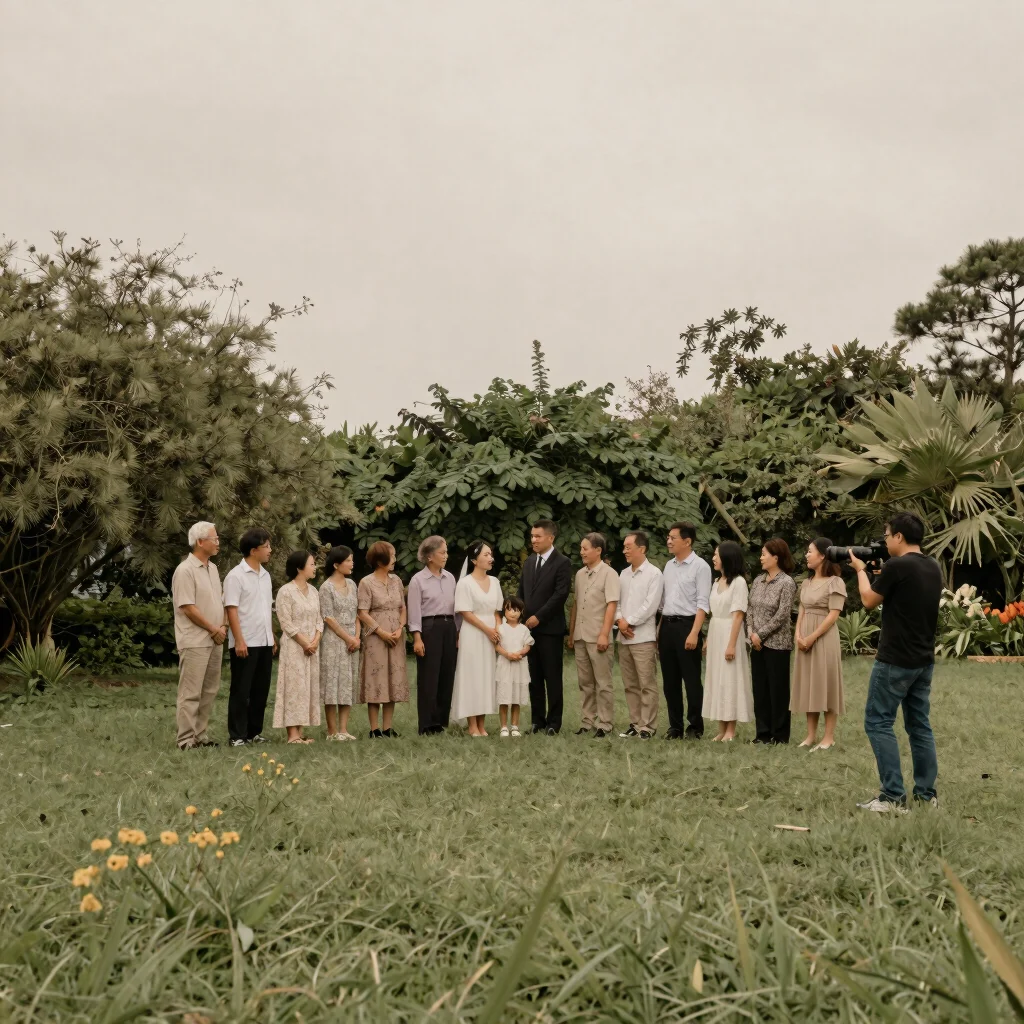
The minutes after the ceremony often include hugs, greetings, and small exchanges that matter to the people in them. Avoid scheduling a formal portrait session to begin at the exact moment the ceremony ends. Agree in advance on where the couple should meet, and give guests a simple cue about what happens next.
Build a little unscheduled space into the day, especially before dinner or the first major reception event. It can absorb a late shuttle or a slower-than-expected room change without making every later moment feel hurried. If nothing runs late, that space becomes time to breathe.
Plan around available light
If outdoor portraits matter to you, look at the ceremony and reception locations at the time you expect to use them. The quality and direction of daylight change, and a shaded courtyard can feel very different from an open lawn. Ask your photographer or filmmaker what timing and nearby alternatives make sense for those specific places.
Put the agreed portrait window in the schedule, then keep it short enough that you are not absent from your own gathering for too long. The aim is not to control every minute. It is to make the important transitions clear so the day has room to unfold.